
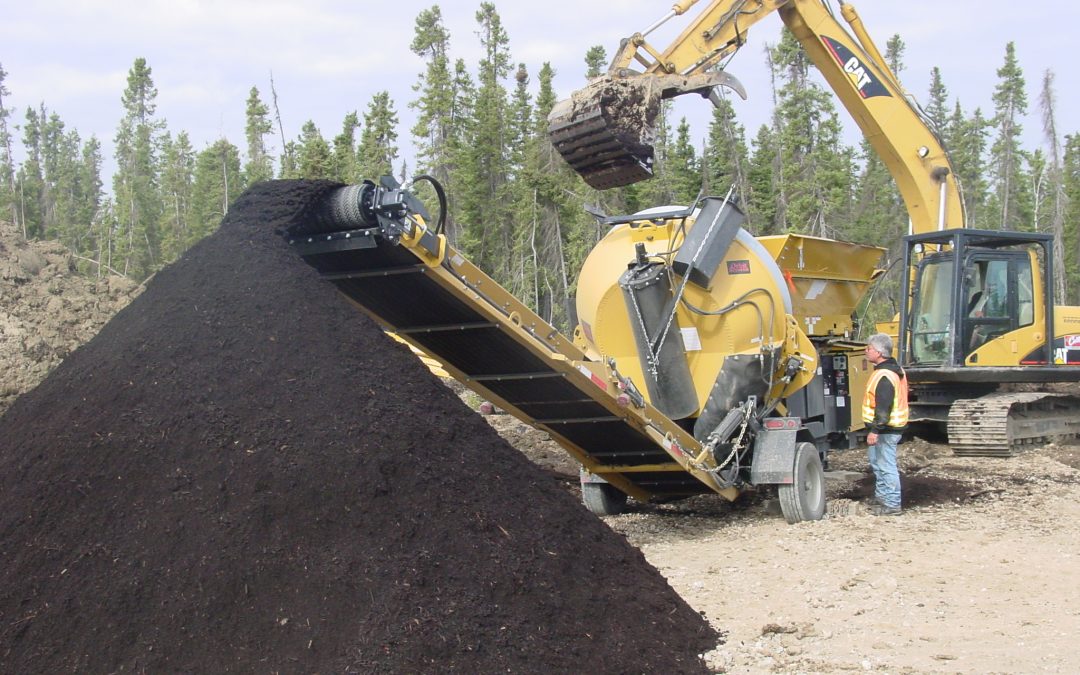
In landscaping, construction, and site preparation, soil quality is more than just dirt—it’s a foundation. Uneven, clumpy, or debris-filled soil can slow projects, increase labor costs, and affect the final outcome. That’s why screening soil is an essential step for professionals looking to deliver consistent, high-quality results.
Why Soil Screening Matters for Your Business
Screening soil isn’t just about aesthetics—it’s about efficiency, consistency, and cost control. By removing rocks, roots, and debris, screened soil ensures:
-
Uniform grading and compaction: Critical for paving, turf installation, and foundation preparation.
-
Reduced equipment wear and tear: Debris-free soil prevents damage to machinery and tools.
-
Improved project timelines: Smooth, uniform soil is faster to work with, reducing labor hours.
-
Higher client satisfaction: Finished landscapes or construction sites look professional and perform better over time.
Key Times to Screen Soil
1. Before Site Preparation or Landscaping Projects
Whether laying turf, installing irrigation, or building raised beds, screened soil ensures a level, workable surface, reducing adjustments and rework.
2. After Soil Delivery or Excavation
Bulk soil or topsoil often contains hidden debris. Screening protects equipment and ensures only usable material is put to work.
3. During Soil Recycling or Reuse
Projects often involve reusing existing soil. Screening separates usable soil from rocks, construction waste, or large clumps, maximizing resource efficiency.
4. When Soil Quality is Inconsistent
Heavy clay, compacted soils, or mixed materials can disrupt workflows. Screening creates uniform material, improving compaction, drainage, and stability.
Best Practices for Professional Soil Screening
-
Screen when soil is moderately moist: Avoid excessive dust or compaction.
-
Select the right equipment: Manual screens for small areas, mechanical screeners for large-scale projects.
-
Incorporate screening into workflows: Treat it as a standard prep step to save time and reduce costs later.
Investing in the Right Tools
At OrbitScreens, we understand that productivity and efficiency are critical. Our soil screens are designed for durability, speed, and professional results, making soil preparation simpler and more reliable for contractors and landscapers alike.
Conclusion
In the professional landscaping and construction world, screening soil is not optional—it’s smart business. It reduces delays, protects equipment, and ensures every project starts with the best possible foundation. Investing in quality screening tools pays off with smoother operations, lower costs, and satisfied clients.